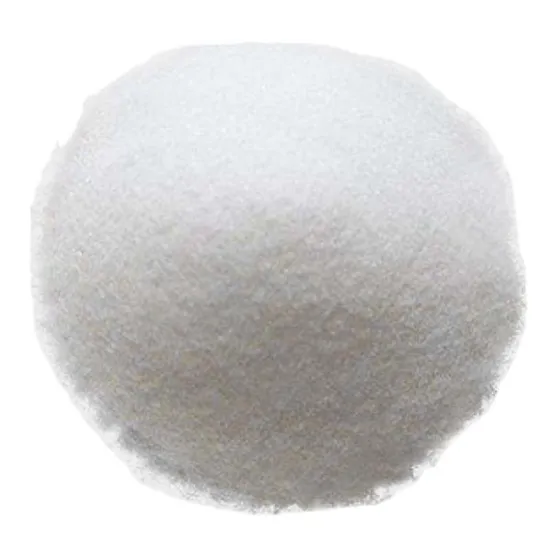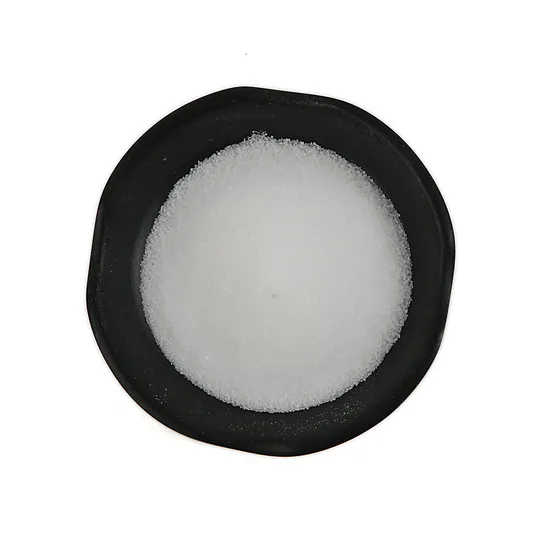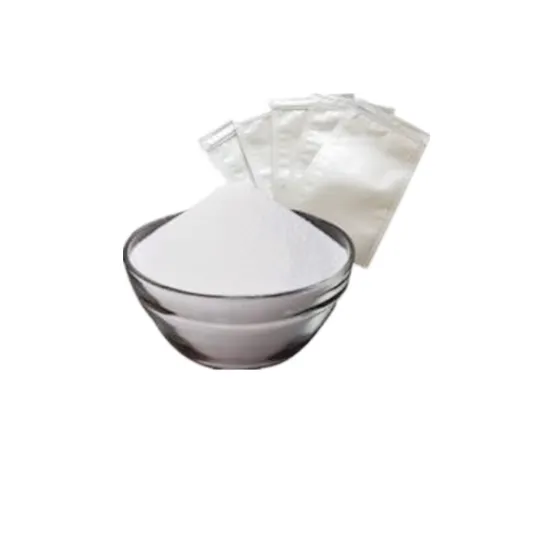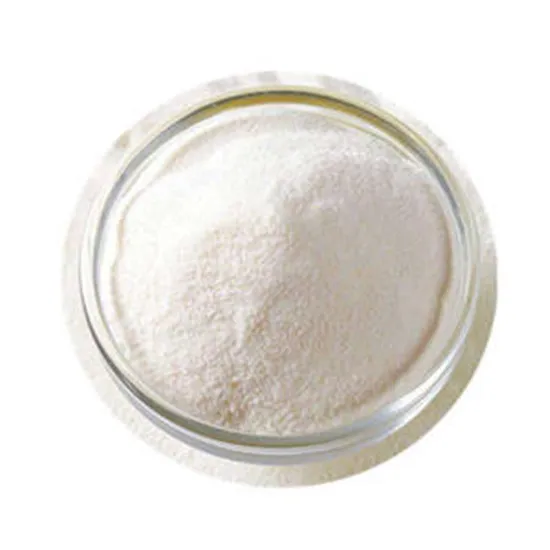
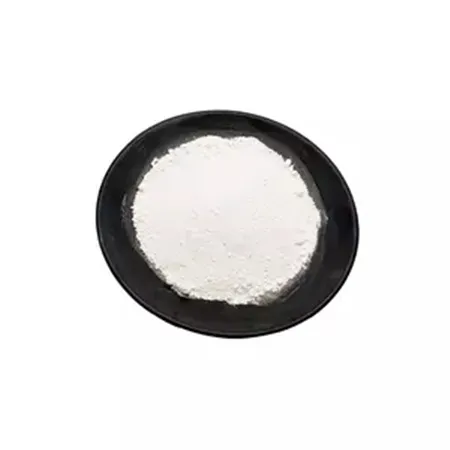
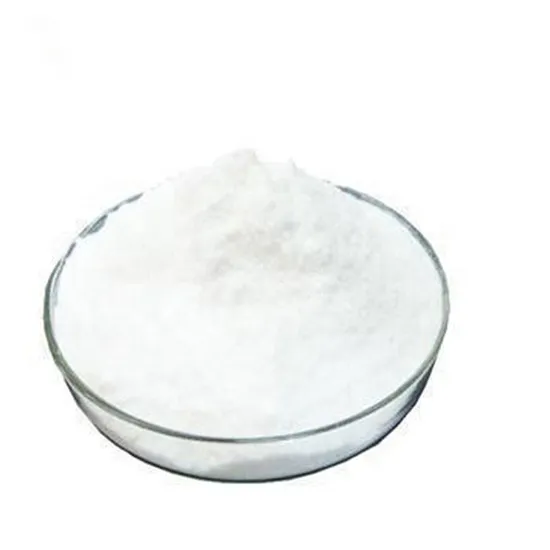
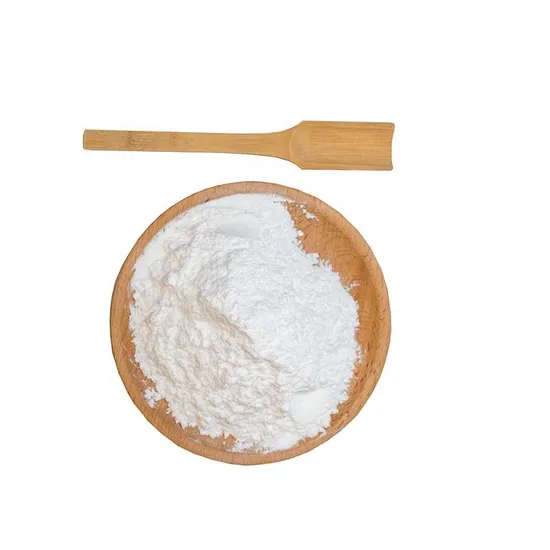
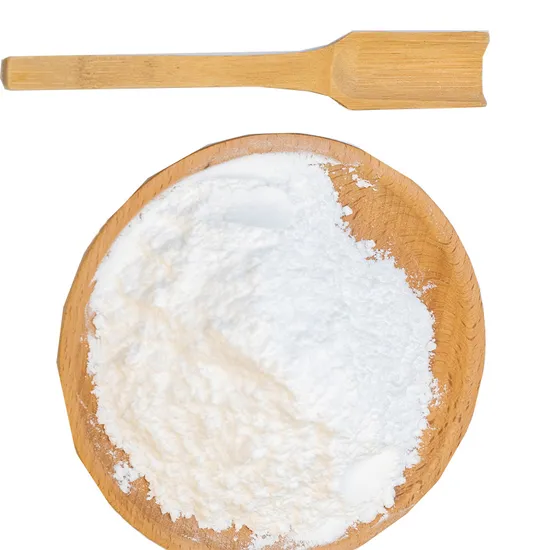
Boost animal performance with our High Purity Creatine Monohydrate 6020-87-7—a feed additive designed to enhance muscle development and energy metabolism in livestock. As a trusted supplier, we ensure every batch meets strict safety standards, eliminating concerns about hidden quality risks. This white powder dissolves easily in feed mixes, making it simple to integrate into your production process without disrupting formulations.
- Feed grade specification ensures compatibility with all animal feed types, from poultry to aquaculture
- Available in 1kg bags or 25kg drums, with custom packaging options to fit your operational needs
- Backed by our comprehensive quality assurance process, including post-delivery technical support
Description
For industrial manufacturing and laboratory research purposes only.
Product Specifications
| Parameter | Value |
|---|---|
| Model NO. | juming 6020-87-7 |
| Type | Synthesis Material Intermediates |
| Appearance | Powder |
| Quality | Industrial |
| Colour | White |
| Transport Package | 1kg Bag, 25kg Drum |
| Specification | provide tailored package on request |
| Trademark | Juming |
| Origin | China |
Addressing Purity and Supply Challenges with Creatine Monohydrate 6020-87-7
Over a decade in serving industrial clients, we’ve witnessed the critical impact of inconsistent Creatine Monohydrate quality—from batch-to-batch purity fluctuations disrupting production yields to unreliable suppliers causing costly project delays. These challenges aren’t just inconvenient; they directly affect the stability of your manufacturing processes and research outcomes.
A Stable and Reliable Animal Feed Additive Solution
Our High Purity Creatine Monohydrate 6020-87-7 is engineered to address these pain points head-on. With a focus on industrial-grade consistency, we ensure each batch meets stringent quality standards, supported by a supply chain that has served 50+ countries and 10,000+ industrial clients. This reliability makes it an ideal choice for feed processing enterprises seeking consistent raw material performance.
Typical Industrial Applications
As a Feed Grade Creatine Monohydrate, this white powder additive plays a crucial role in industrial manufacturing scenarios, particularly in the production of animal feed formulations. Its applications are strictly limited to industrial processing and research, providing a controlled component for formulators developing feed solutions. It is not intended for any direct consumption or therapeutic use.
Why Key Specifications Matter for Industrial Use
The industrial-grade quality designation ensures this Creatine Monohydrate meets the robust standards required for large-scale manufacturing. Its white powder appearance allows for easy integration and uniform mixing in feed production processes, while the tailored packaging options (from 1kg bags to 25kg drums) support both small-batch testing and large-volume production needs. Consistent particle size and solubility further contribute to reliable processing outcomes, reducing the risk of equipment clogging or uneven distribution in feed matrices.
The Value of Reliable Creatine Monohydrate Sourcing
Choosing a trusted supplier for Creatine Monohydrate 6020-87-7 means avoiding the hidden costs of substandard materials—rejected batches, production downtime, and compromised end-product quality. Our commitment to industrial-grade standards ensures compliance with manufacturing best practices, while our established production capacity guarantees steady supply even for large-scale orders, protecting your operations from unexpected disruptions.
Our Quality Assurance Commitment
Every batch of our Creatine Monohydrate undergoes rigorous testing to verify industrial-grade specifications, with a focus on consistency and purity. We provide comprehensive documentation with each shipment, including material safety data sheets to support your safety and compliance protocols. Our quality control process is designed to identify and reject any non-conforming material before it reaches our clients, ensuring you receive only product that meets your industrial requirements.
Certificate of Analysis & Documentation
Each order includes a detailed Certificate of Analysis specific to the shipped batch, providing transparency on key quality parameters. Material Safety Data Sheets are also included to support your handling and storage procedures. For clients requiring additional verification, specific batch testing records can be made available upon request.
Storage & Handling
- Store in a cool, dry, well-ventilated area, sealed and away from direct sunlight.
- Keep away from incompatible materials, food and feed sources.
- Handle with appropriate personal protective equipment (gloves, goggles, lab coat).
- Follow good industrial hygiene practices. Avoid inhalation and skin contact.
- Refer to MSDS for detailed storage and safety instructions.
Streamlined Order Process for Industrial Clients
Our procurement process is designed to minimize friction for industrial buyers: start with an online inquiry specifying your required quantity and packaging needs, request a sample for evaluation, and proceed to bulk ordering once specifications are confirmed. All orders include the necessary documentation to support your quality control and compliance procedures.
Frequently Asked Questions
Q: What is the shelf life of this Creatine Monohydrate product?
A: Shelf life information is available in the product’s MSDS, which is provided with each order.
Q: Can this product be used directly in food or pharmaceutical applications?
A: No, this product is for industrial and laboratory research use only, not for direct human consumption, therapeutic or household use.
Q: What documentation is provided with each shipment?
A: Each shipment includes a Certificate of Analysis (COA) and Material Safety Data Sheet (MSDS).
Q: Do you offer custom packaging options?
A: Yes, we provide tailored package options on request to meet specific industrial needs.
Q: How is the product’s purity determined and verified?
A: Purity and quality are verified through our in-house testing protocols as part of the industrial-grade quality control process, with results documented in the COA.
Related products
-
Ammonium Sulfate Fertilizer (NH4)2SO4 7783-2020 Quick Release Crystal Inorganic Salt for Agriculture
Read more -

Silica 7631-86-9 Industrial Grade Desiccant with High Adsorption Reach Compliant
Read more -
Hydroxylamine Hydrochloride NH2OH·HCl CAS 5470-11-1 for Synthesis Material Intermediates
Read more -
Fullerene C60 Powder 99.99% Purity CAS 99685-96-8 for Industrial Synthesis Applications
Read more