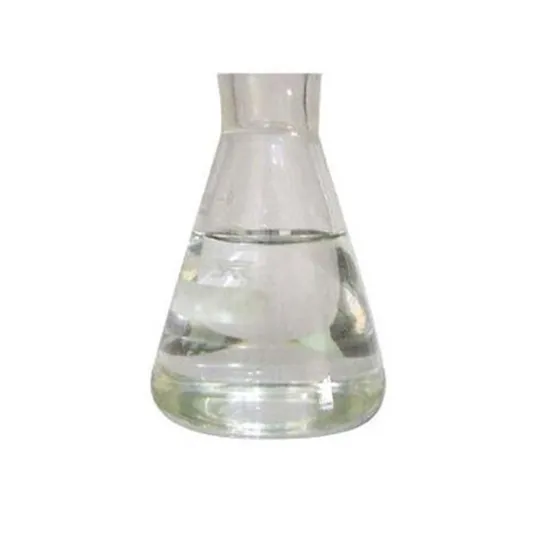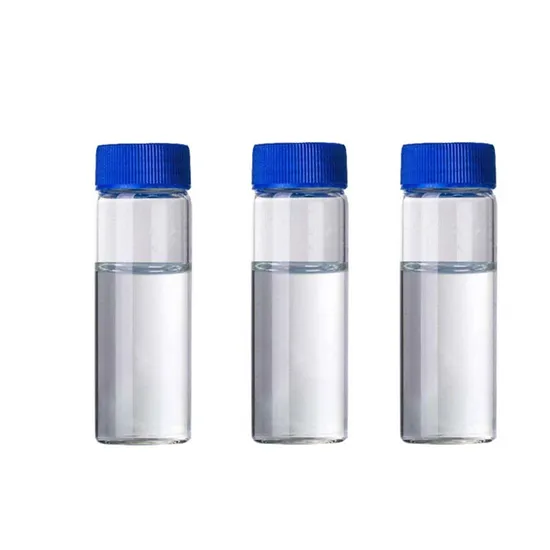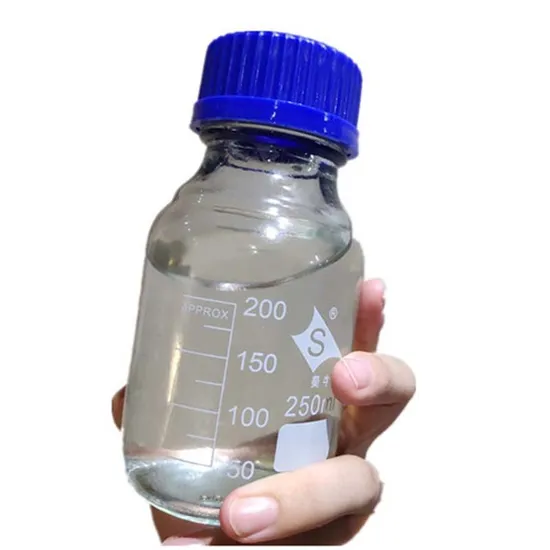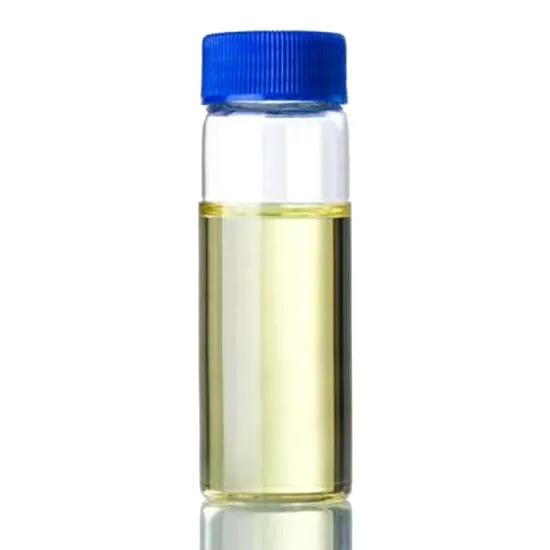
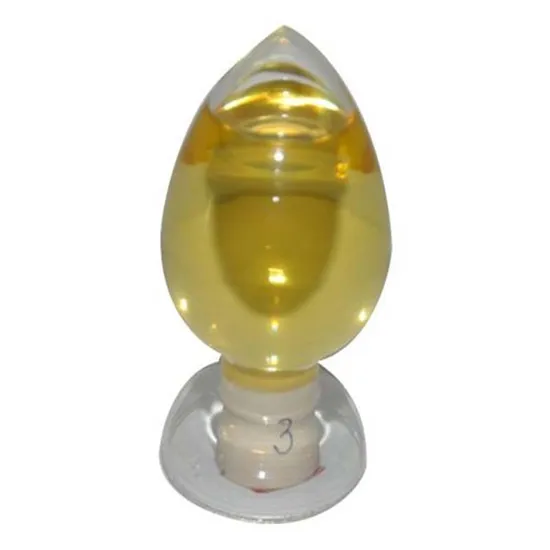
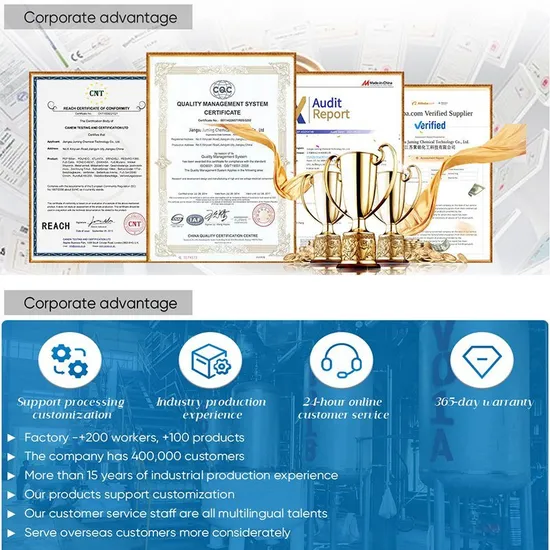
Achieve fast, reliable UV curing with our premium Ethyl Phenylphosphinate Tpo-L 84434-11-7 UV Resin Photoinitiator—perfect for formulators seeking consistent performance in UV resin applications. This yellow liquid initiator ensures efficient polymerization, reducing curing time while maintaining batch-to-batch stability, so you can trust every production run meets your exact standards.
- Optimized for UV curing systems, delivering rapid cross-linking without compromising resin clarity
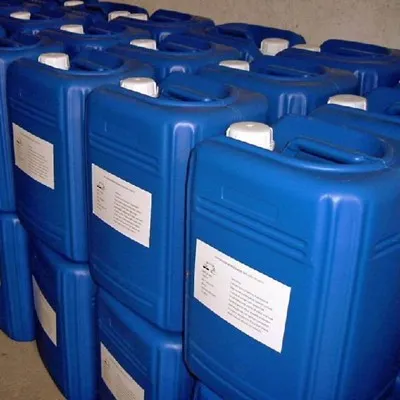
- Available in flexible packaging (1kg bags, 25kg drums) with tailored options to fit your production needs
- Industrial-grade quality backed by stringent sourcing practices, giving you peace of mind in every order
Description
For industrial manufacturing and laboratory research purposes only.
Product Specifications
| Parameter | Value |
|---|---|
| Model NO. | jm 84434-11-7 |
| Type | Synthesis Material Intermediates |
| Appearance | Liquid |
| Quality | Industrial |
| Colour | Yellow |
| Transport Package | 1kg Bag, 25kg Drum |
| Specification | provide tailored package on request |
| Trademark | Juming |
| Origin | China |
Addressing UV Curing Instability: Ethyl Phenylphosphinate Tpo-L 84434-11-7 for Consistent Industrial Performance
Industrial UV curing processes often face critical challenges—unstable reaction rates due to inconsistent photoinitiator quality, batch-to-batch variations that disrupt production schedules, and substandard purity leading to product defects. In our 10+ years serving global manufacturing clients, we’ve witnessed how these issues directly impact operational efficiency and final product reliability.
A Stable Solution for UV Resin Curing
Our Ethyl Phenylphosphinate Tpo-L (CAS 84434-11-7) addresses these core pain points by delivering consistent performance in UV resin systems. As a specialized UV Resin Photoinitiator, it ensures reliable curing kinetics across production runs, supported by our established supply chain that has served 50+ countries and 10000+ industrial clients. This stability is crucial for both large-scale manufacturing and precise laboratory research applications.
Key Applications in UV Curing Industries
Ethyl Phenylphosphinate Tpo-L 84434-11-7 finds primary use as a UV Curing Photoinitiator in industrial coatings, adhesives, and composite materials. Its ability to initiate polymerization under UV light makes it suitable for applications requiring rapid curing and high crosslinking density, strictly within industrial manufacturing and research contexts.
Why Technical Specifications Drive Performance
The industrial-grade quality of this Tpo-L Photoinitiator directly influences process outcomes. Its yellow liquid appearance allows for uniform dispersion in resin matrices, ensuring consistent light absorption and curing. The tailored packaging options (1kg bags to 25kg drums) minimize material waste and storage issues, while the China origin reflects compliance with global manufacturing standards. These specifications collectively reduce production variables, from mixing to curing, and support scalable manufacturing.
Risk Reduction Through Reliable Sourcing
Choosing a substandard UV Resin Photoinitiator 84434-11-7 can lead to extended curing times, incomplete crosslinking, and compromised product durability. Our product mitigates these risks by adhering to strict industrial quality controls, aligning with ISO 9001 standards for manufacturing consistency. This focus on reliability translates to lower production costs by reducing rework and material waste over time.
Building Trust Through Transparent Quality Control
Our commitment to trustworthiness is demonstrated through multi-stage quality verification: each batch undergoes rigorous testing to confirm industrial-grade specifications. We provide comprehensive documentation with every order, ensuring full traceability. Our technical support team is available to address formulation questions, and we stand behind product consistency with a clear退换 policy for non-conforming shipments. With dedicated production facilities, we maintain stable inventory to prevent supply disruptions.
Certificate of Analysis & Documentation
Every shipment of Ethyl Phenylphosphinate Tpo-L includes a batch-specific Certificate of Analysis (COA) detailing key quality parameters. Material Safety Data Sheets (MSDS) are provided to ensure proper handling. For research or regulatory purposes, additional testing data can be requested with a valid order reference.
Storage & Handling
- Store in a cool, dry, well-ventilated area, sealed and away from direct sunlight.
- Keep away from incompatible materials, food and feed sources.
- Handle with appropriate personal protective equipment (gloves, goggles, lab coat).
- Follow good industrial hygiene practices. Avoid inhalation and skin contact.
- Refer to MSDS for detailed storage and safety instructions.
Streamlined Ordering Process for Industrial Clients
Initiate your order by inquiring about current specifications and availability. We can provide samples for evaluation, followed by confirmation of packaging requirements and delivery timelines. All orders include the necessary documentation to facilitate compliance with your internal quality protocols, ensuring a smooth transition from procurement to production.
Frequently Asked Questions
Q: What is the recommended shelf life for this product?
A: Shelf life is dependent on storage conditions; typically 12 months when stored as recommended in unopened packaging.
Q: Can this product be used in food or pharmaceutical applications?
A: No, this product is for industrial and laboratory research use only, not for direct human consumption or therapeutic applications.
Q: What documentation is provided with each shipment?
A: Each shipment includes a Certificate of Analysis (COA) and Material Safety Data Sheet (MSDS).
Q: Do you offer custom packaging options?
A: Yes, tailored packaging is available on request to meet specific industrial requirements.
Q: How is product purity verified?
A: Purity is verified through industrial-grade quality testing protocols, with results detailed in the batch-specific COA.
Related products
-
Isobornyl Acrylate 5888-33-5 for UV Curing with Good Flexibility and Scratch Resistance
Read more -
1-Hydroxycyclohexyl Phenyl Ketone 947-19-3 High Purity Crystal UV Resin Photoinitiator
Read more -
Technical Grade 270586-78-2 Bisacylphosphine Oxide Photoinitiator for UV Curing Applications
Read more -
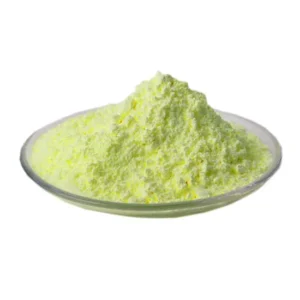
Diphenylphosphine Oxide Photoinitiator TPO 75980-60-8 for UV Curing Applications
Read more