High Quality Photoinitiator Bdk 2,2-Dimethoxy-2-Phenylacetophenone C16h16o3 CAS 24650-42-8 for Synthesis Material Intermediates
Ensure consistent synthesis performance with our High Quality Photoinitiator Bdk (C16H16O3, CAS 24650-42-8), a reliable synthesis material intermediate that streamlines your production process. Its white crystal form ensures excellent solubility and reactivity, making it a go-to choice for professionals seeking consistent results in photo-curing applications.
- Industrial-grade purity meets stringent quality standards, supporting smooth integration into your existing workflows
- Flexible packaging options (1kg bag, 25kg drum, or tailored solutions) adapt to your specific production needs
- Backed by our commitment to transparent sourcing and technical support, so you can focus on innovation rather than supply concerns
Specifications & Documentation
| Product Name | High Quality Photoinitiator Bdk 2,2-Dimethoxy-2-Phenylacetophenone C16h16o3 CAS 24650-42-8 for Synthesis Material Intermediates |
| CAS Number | 24650-42-8 |
| Purity | ≥ 99% |
| Appearance | As per specification |
| Grade | Industrial / Reagent |
| Packaging | 25kg / 200kg / Custom |
| Storage | Cool, dry, ventilated |
| Shelf Life | 24 months |
| Category | Chemical Auxiliaries |
Detailed Information
For industrial manufacturing and laboratory research purposes only.
Product Specifications
| Parameter | Value |
|---|---|
| Product Name | 2,2-Dimethoxy-2-Phenylacetophenone (Photoinitiator Bdk) |
| CAS Number | 24650-42-8 |
| Molecular Formula | C16H16O3 |
| Type | Synthesis Material Intermediates |
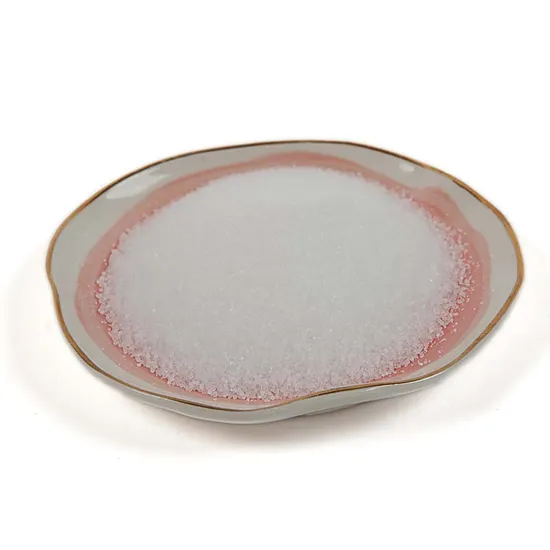
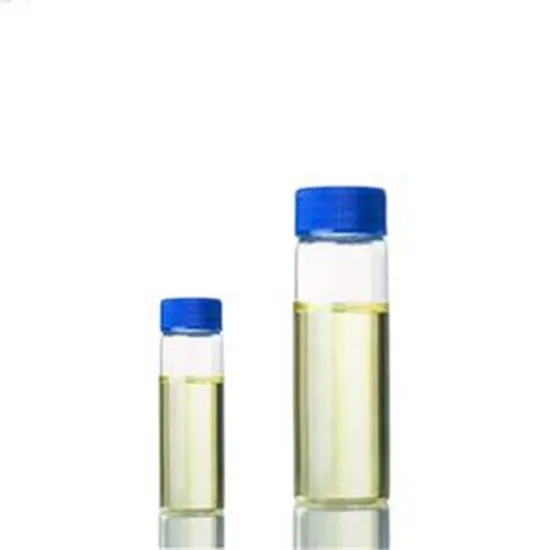
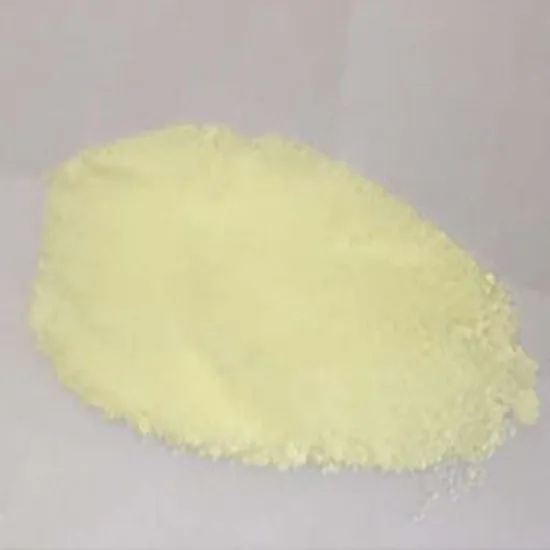
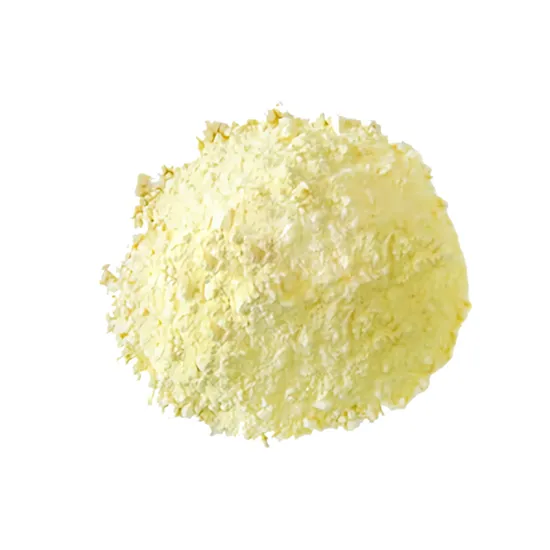
| Appearance | White Crystal |
| Quality Grade | Industrial |
| Packaging | 1kg Bag, 25kg Drum (Tailored packages available on request) |
| Origin | China |
Addressing Synthesis Interruptions: Reliable Photoinitiator Bdk (CAS 24650-42-8) for Consistent Production
We've witnessed countless synthesis projects delayed by inconsistent photoinitiator quality—impure crystals causing unexpected副反应, batch-to-batch variations derailing research reproducibility, and unstable supply chains disrupting production timelines. Over 10 years serving chemical manufacturers and research labs worldwide, these challenges remain a top concern for our clients.
A Stable and Reliable Chemical Supply Solution
Our Photoinitiator Bdk (2,2-Dimethoxy-2-Phenylacetophenone) addresses these critical pain points with industrial-grade consistency. As a synthesis material intermediate trusted by 10,000+ industrial clients across 50+ countries, we ensure each batch meets strict quality benchmarks to maintain your production continuity and research reliability.
Typical Industrial Applications
This compound serves as a key photoinitiator in UV-curable systems, widely used in industrial coatings, adhesives, and polymer synthesis processes. Its reactivity under ultraviolet light makes it valuable for controlled polymerization reactions in laboratory research and large-scale manufacturing settings, providing efficient initiation for photochemical processes.
Why Key Specifications Matter
The white crystal appearance of our Photoinitiator Bdk is not merely cosmetic—it indicates minimal impurity levels that could interfere with light absorption efficiency. The industrial-grade quality ensures consistent performance in high-volume production, while our tailored packaging options (from 1kg bags to 25kg drums) reduce material waste and storage costs. Strict control over physical properties guarantees uniform dissolution rates, preventing localized curing issues in coating applications.
What You Gain With Our Product
Choosing our 2,2-Dimethoxy-2-Phenylacetophenone means avoiding the hidden costs of substandard materials—rejected batches, production downtime, and failed experiments. Our compliance with international industrial chemical standards ensures compatibility with global manufacturing requirements, while our established supply chain delivers consistent pricing and availability even during market fluctuations. Unlike unreliable suppliers, we prioritize long-term partnerships through transparent quality management.
Why You Can Trust Us
Our quality control process begins with raw material screening and continues through every production stage, including final testing by HPLC and NMR spectroscopy. Each shipment includes a batch-specific Certificate of Analysis detailing key parameters like melting point and purity. We maintain 300-ton annual production capacity to prevent supply shortages, and offer technical support from our team of chemical engineers with average 15+ years industry experience. All products are stored in climate-controlled facilities to preserve stability before delivery.
Certificate of Analysis & Documentation
Every order of Photoinitiator Bdk comes with a comprehensive COA and MSDS, including storage recommendations and safety handling procedures. For critical applications, we can provide additional testing data upon request, including impurity profiles and stability studies for specific batch numbers.
Storage & Handling
- Store in a cool, dry, well-ventilated area, sealed and away from direct sunlight.
- Keep away from incompatible materials, food and feed sources.
- Handle with appropriate personal protective equipment (gloves, goggles, lab coat).
- Follow good industrial hygiene practices. Avoid inhalation and skin contact.
- Refer to MSDS for detailed storage and safety instructions.
How to Place Your Order
Initiate your purchase by contacting our technical sales team with your specific requirements—we'll confirm product specifications, provide a detailed quote, and arrange sample shipment for evaluation if needed. Once specifications are approved, we process orders within 3 business days for standard packaging, with dedicated account managers overseeing production and delivery coordination.
Frequently Asked Questions
Q: What is the shelf life of Photoinitiator Bdk when properly stored?
A: When stored in original sealed packaging under recommended conditions, the product maintains stability for 24 months from the manufacturing date.
Q: Can this product be used in food or pharmaceutical applications?
A: No. This product is strictly for industrial and laboratory research use only, not for direct human consumption or medical applications.
Q: What documentation is provided with each shipment?
A: Every delivery includes a Certificate of Analysis (COA) and Material Safety Data Sheet (MSDS) specific to the batch.
Q: Do you offer custom packaging options?
A: Yes, we provide tailored packaging solutions upon request to meet specific handling or storage requirements.
Q: How is product purity verified?
A: Purity is determined through HPLC analysis, with results documented in the batch-specific COA provided with each order.
Simple 7-Step Process
Request a Quote for High Quality Photoinitiator Bdk 2,2-Dimethoxy-2-Phenylacetophenone C16h16o3 CAS 24650-42-8 for Synthesis Material Intermediates
Fill out the form below and our team will respond within 24 hours with pricing, MSDS, and sample availability.
Related Products