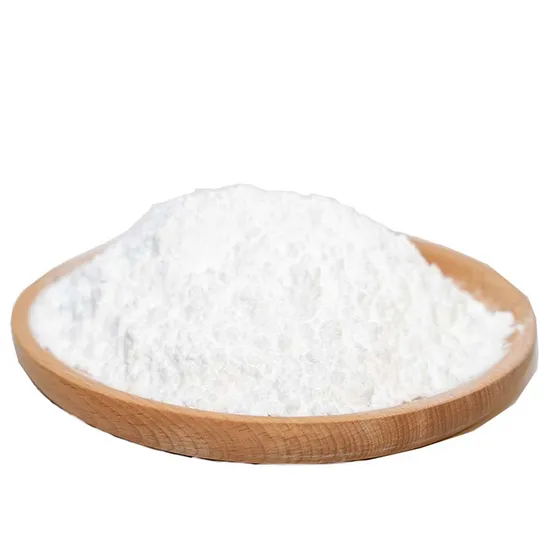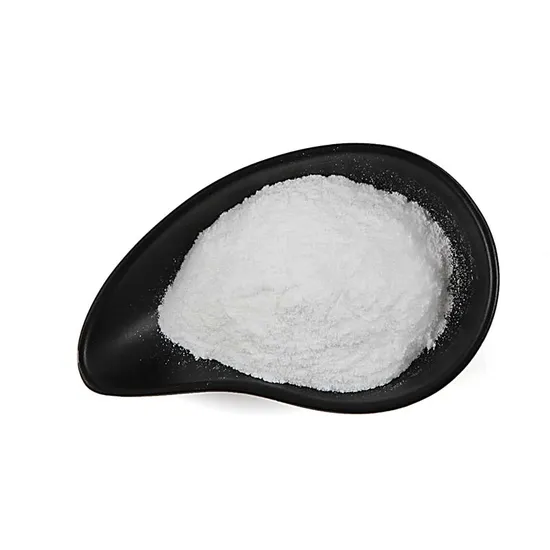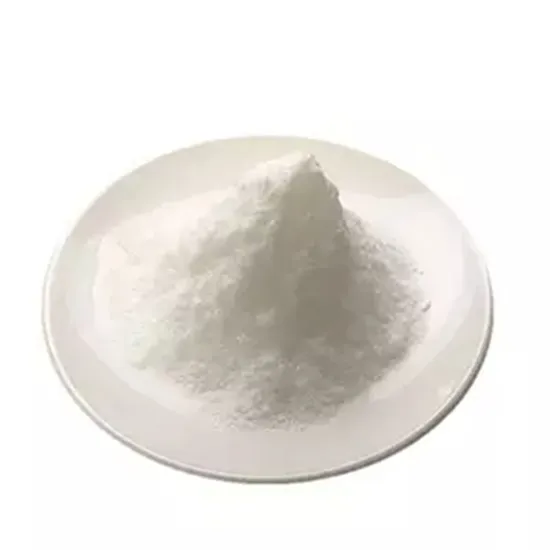

Ensure superior fluid loss control in oilfield operations with our High Viscosity Polyanionic Cellulose (PAC), a reliable solution designed to optimize drilling fluid performance. This premium PAC 9004-32-4 delivers consistent viscosity and filtration control, helping maintain wellbore stability even in challenging downhole conditions.
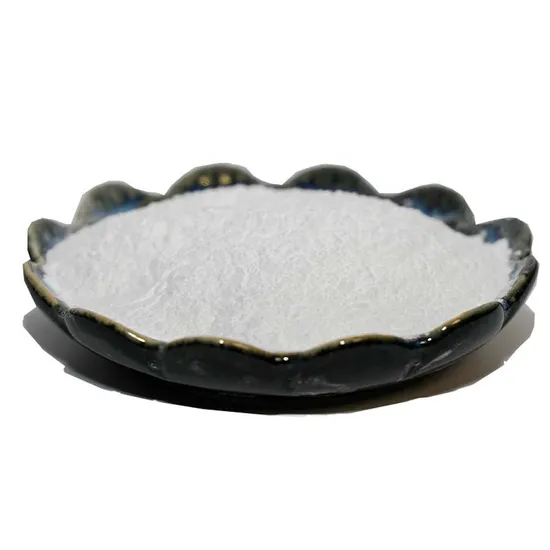
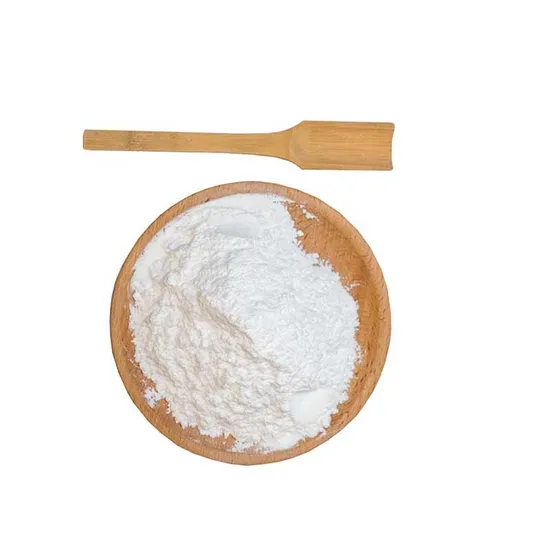
- Formulated as a fine white powder for easy dispersion and rapid hydration in various drilling fluid systems
- Available in 25kg bags for convenient handling and precise dosage, with tailored packaging options to meet your operational needs
- Backed by stringent quality control processes to ensure batch-to-batch consistency, giving you confidence in every application
Description
For industrial manufacturing and laboratory research purposes only.
Product Specifications
| Parameter | Value |
|---|---|
| Model NO. | jm 9004-32-4 |
| Appearance | Powder |
| Color | White |
| Transport Package | 1kg Bag, 25kg Drum |
| Specification | provide tailored package on request |
| Trademark | Juming |
| Origin | China |
Addressing Oilfield Drilling Challenges with High Viscosity Polyanionic Cellulose (PAC) 9004-32-4
In oilfield operations, inconsistent fluid loss control can lead to drilling inefficiencies, formation damage, and increased operational costs. Over our 10+ years serving industrial clients, we’ve seen how substandard Polyanionic Cellulose (PAC) products cause viscosity fluctuations that compromise wellbore stability—especially in high-pressure environments where reliable fluid performance is critical.
A Stable Solution for Oilfield Fluid Management
Our High Viscosity Polyanionic Cellulose (PAC) 9004-32-4 is engineered to address these challenges. As a professional supplier with a global footprint serving 50+ countries, we understand the demands of oilfield applications. This PAC variant delivers consistent viscosity and superior fluid loss control, ensuring stable mud properties even under varying downhole conditions.
Key Applications in Oilfield Operations
Polyanionic Cellulose is widely recognized as a versatile additive in oilfield drilling fluids. Its high viscosity characteristics make it ideal for fluid loss control, rheology modification, and wellbore strengthening. This Oilfield PAC is particularly effective in water-based drilling systems, where it helps maintain fluid viscosity and prevent fluid invasion into porous formations.
The Critical Role of Viscosity and Purity in PAC Performance
High viscosity is paramount for effective fluid loss control—our PAC’s carefully controlled molecular weight distribution ensures optimal shear-thinning behavior, maintaining viscosity under high shear rates encountered during drilling. Purity is equally critical: low impurity levels minimize formation damage and reduce the risk of unexpected chemical interactions with other drilling fluid additives. Consistent particle size distribution further enhances dispersion, ensuring uniform performance throughout the drilling process.
Benefits of Reliable PAC Sourcing for Oilfield Operations
Choosing a trusted Polyanionic Cellulose supplier directly impacts operational efficiency. Inferior PAC products with inconsistent quality can lead to costly downtime, increased mud consumption, and potential wellbore instability. Our commitment to quality control—backed by our extensive industry experience—ensures batch-to-batch consistency, reducing operational risks and supporting long-term cost efficiency for your oilfield projects.
Our Quality Assurance Commitment
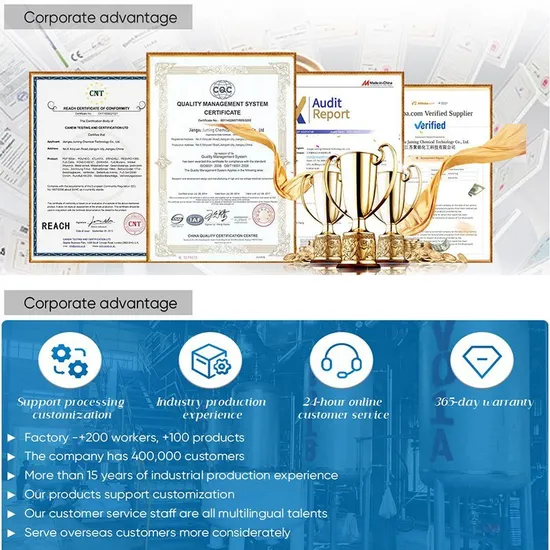
Every batch of High Viscosity Polyanionic Cellulose undergoes rigorous testing, including viscosity measurement at multiple shear rates, purity analysis, and particle size distribution assessment. We provide a comprehensive Certificate of Analysis (COA) with each shipment, detailing key performance parameters. Our production facilities maintain strict quality management systems, ensuring compliance with industry standards for industrial chemicals. With dedicated technical support, we’re available to address specific application challenges and optimize PAC usage for your operations.
Certificate of Analysis & Documentation
Each order includes a batch-specific COA and Material Safety Data Sheet (MSDS). Detailed test reports, including viscosity curves and purity chromatograms, can be provided upon request. For traceability, batch numbers are clearly marked on all packaging, allowing full production history verification.
Storage & Handling
- Store in a cool, dry, well-ventilated area, sealed and away from direct sunlight.
- Keep away from incompatible materials, food and feed sources.
- Handle with appropriate personal protective equipment (gloves, goggles, lab coat).
- Follow good industrial hygiene practices. Avoid inhalation and skin contact.
- Refer to MSDS for detailed storage and safety instructions.
Streamlined Ordering Process for Industrial Buyers
To ensure your oilfield operations run smoothly, our ordering process is designed for efficiency: inquire online with your specific requirements, request a sample for testing, and upon approval, place your order for 25kg bags or custom packaging. All shipments include the necessary documentation for customs clearance and quality verification, supporting your operational timeline.
Frequently Asked Questions
Q: What is the recommended shelf life of High Viscosity Polyanionic Cellulose?
A: When stored in original sealed packaging under proper conditions, the product maintains stability for 24 months from the manufacturing date.
Q: Is this Polyanionic Cellulose suitable for food or pharmaceutical applications?
A: No, this product is for industrial and laboratory research use only, not for direct human consumption or therapeutic applications.
Q: What documentation is provided with each shipment?
A: Each order includes a Certificate of Analysis (COA) and Material Safety Data Sheet (MSDS).
Q: Can the packaging be customized beyond 25kg drums?
A: Yes, tailored packaging options are available upon request to meet specific operational needs.
Q: How is the viscosity of the PAC measured and guaranteed?
A: Viscosity is measured using Brookfield viscometry at specified shear rates, with results provided in the batch COA to ensure compliance with stated specifications.
Related products
-
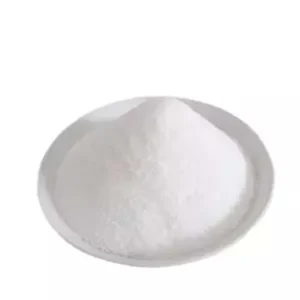
Hydroxyethyl Cellulose HEC 9004-62-0 Reach Compliant Technical Grade for Coatings
Read more -
Vinyltrimethoxysilane CAS 2768-02-7 for Automotive Primer Coatings Metal Adhesion Promoter
Read more -
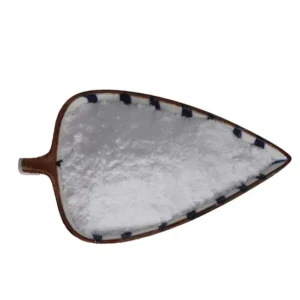
High Viscosity Polyanionic Cellulose PAC 9004-32-4 ISO Certified for Oil Drilling
Read more -
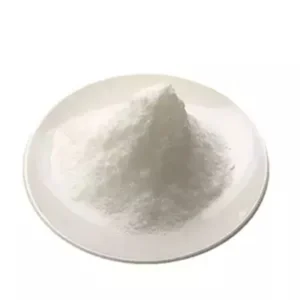
High Viscosity Polyanionic Cellulose Sodium CMC Powder for Food Thickening CAS 9004-32-4
Read more