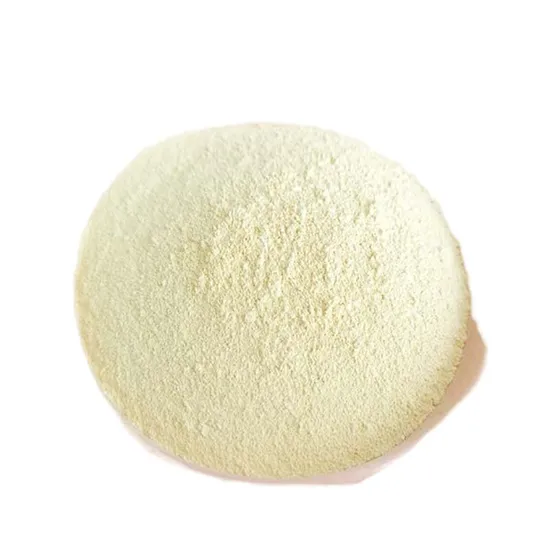
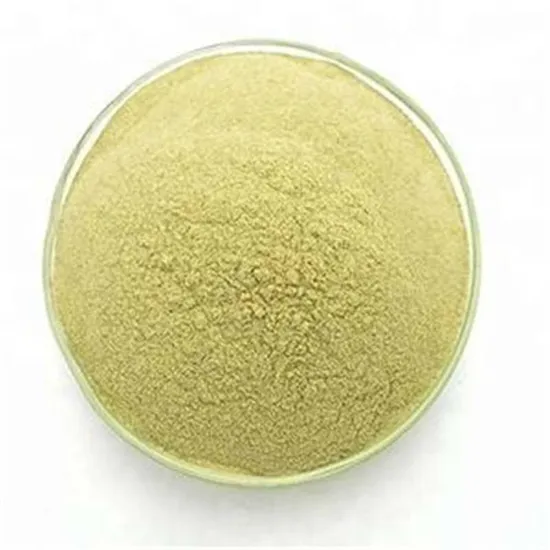

Achieve crystal-clear, fast-curing clear coats with Phenylbis(2,4,6-Trimethylbenzoyl)Phosphine Oxide Photoinitiator 162881-26-7—the high-efficiency solution trusted by industry professionals. This yellow powder delivers exceptional reactivity under UV light, ensuring rapid polymerization that cuts production time while maintaining flawless transparency in coatings.
- Industrial-grade quality (Model NO.: jm 162881-26-7) with consistent batch performance, eliminating concerns about uneven results.
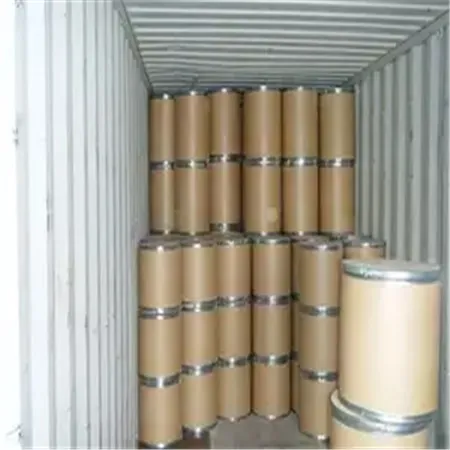
- Available in 1kg bags or 25kg drums, with tailored packaging options to suit your operational needs.
- Engineered for seamless integration into clear coat formulations, enhancing durability without compromising clarity.
Description
For industrial manufacturing and laboratory research purposes only.
Product Specifications
| Parameter | Value |
|---|---|
| Model NO. | jm 162881-26-7 |
| Type | Synthesis Material Intermediates |
| Appearance | Powder |
| Quality | Industrial |
| Colour | Yellow |
| Transport Package | 1kg Bag, 25kg Drum |
| Specification | provide tailored package on request |
| Trademark | Juming |
| Origin | China |
Addressing Photoinitiator Challenges: High Efficiency Phenylbis(2,4,6-Trimethylbenzoyl)Phosphine Oxide 162881-26-7 for Clear Coat Applications
Over a decade of serving industrial clients, we’ve witnessed the critical impact of photoinitiator consistency on production lines. Inconsistent reactivity leads to uneven curing in clear coat formulations, while substandard purity introduces杂质 that compromise coating durability—issues that delay manufacturing timelines and increase material waste for both large-scale producers and research laboratories.
A Stable and Reliable Photoinitiator Supply Solution
Our Phenylbis(2,4,6-Trimethylbenzoyl)Phosphine Oxide addresses these challenges through rigorous manufacturing control, ensuring batch-to-batch consistency that industrial clients require. With a global network serving 50+ countries, we maintain stable inventory to prevent production disruptions, supporting both continuous manufacturing operations and specialized research projects requiring reliable material sourcing.
Typical Industrial Applications
This high efficiency photoinitiator is primarily used in industrial clear coat formulations, where its reactivity profile enables rapid curing under UV light exposure. It serves as a key component in synthesis material intermediates for coatings, adhesives, and photopolymer systems, facilitating efficient cross-linking processes in industrial manufacturing settings. As a phosphine oxide photoinitiator, it finds utility in applications demanding precise curing control and high-performance film formation.
Why Key Specifications Matter for Production Success
The industrial-grade quality designation ensures suitability for large-scale manufacturing, where raw material reliability directly impacts production yields. Its yellow powder appearance provides visual consistency for quality checks during formulation, while the standard 1kg and 25kg packaging options support flexible inventory management—from small-batch research trials to full production runs. Tailored packaging capabilities further allow customization to specific manufacturing line requirements, reducing material handling inefficiencies.
What You Gain With Our Phosphine Oxide Photoinitiator
Choosing compliant raw materials minimizes the risk of production delays caused by quality failures, while our stable supply chain reduces the hidden costs of last-minute sourcing. Unlike unreliable suppliers with inconsistent product quality, our rigorous in-house testing protocols ensure each batch meets industrial standards, translating to predictable curing performance and reduced reject rates. The result is enhanced production efficiency and long-term cost savings through material optimization.
Why You Can Trust Our Photoinitiator Supply
Our 10+ years of chemical manufacturing experience inform a multi-stage quality control process, including pre-production raw material testing and post-production analysis. Every shipment includes a batch-specific Certificate of Analysis, providing transparency into key quality parameters. We maintain dedicated technical support staff to address formulation questions, and our production facilities operate with redundant capacity to ensure supply continuity even during peak demand periods. For clients requiring additional verification, we offer access to detailed testing documentation upon request.
Certificate of Analysis & Documentation
Each order of Phenylbis(2,4,6-Trimethylbenzoyl)Phosphine Oxide is accompanied by a batch-specific Certificate of Analysis and Material Safety Data Sheet. Detailed testing records for specific batches can be retrieved using your order reference number, and comprehensive technical documentation is available to support regulatory compliance and formulation integration.
Storage & Handling
- Store in a cool, dry, well-ventilated area, sealed and away from direct sunlight.
- Keep away from incompatible materials, food and feed sources.
- Handle with appropriate personal protective equipment (gloves, goggles, lab coat).
- Follow good industrial hygiene practices. Avoid inhalation and skin contact.
- Refer to MSDS for detailed storage and safety instructions.
How to Place Your Order for Photoinitiator 162881-26-7
Initiate your procurement by contacting our technical sales team to discuss specific requirements, including packaging customization and volume pricing. We provide product samples for qualification testing prior to full order placement, ensuring compatibility with your formulation process. Once specifications are confirmed, our standard production lead time allows for reliable delivery scheduling to align with your manufacturing timeline.
Frequently Asked Questions
Q: What is the recommended shelf life for this photoinitiator?
A: When stored under proper conditions (cool, dry, sealed container), the product maintains stability for 12 months from the date of manufacture.
Q: Is this product suitable for food or pharmaceutical applications?
A: No. This product is for industrial and laboratory research use only, not for direct human consumption or therapeutic applications.
Q: What documentation is provided with each shipment?
A: Each order includes a Certificate of Analysis (COA) and Material Safety Data Sheet (MSDS) specific to the batch.
Q: Can you accommodate custom packaging requirements?
A: Yes, we provide tailored package options on request to meet specific manufacturing or research needs.
Q: How do you ensure product purity and consistency?
A: Our quality control process includes batch testing and analysis to maintain industrial-grade standards and ensure consistency between production runs.
Related products
-

Phenylbis(2,4,6-Trimethylbenzoyl)Phosphine Oxide Powder for Technical Grade Inks, Reach Compliant
Read more -

Ethyl (2,4,6-Trimethylbenzoyl) Phenylphosphinate 98% Tpo-L Low Odor Surface Cure Adhesives 25kg Drums
Read more -
Trimethylolpropane Triacrylate 15625-89-5 High Crosslink Density for Coating Applications
Read more -

2,4-Diethyl-9h-Thioxanthen-9-One 98% Powder for Deep Cure Pigmented Systems 20kg Drums
Read more