Additive Pricing Explained: What Drives the Cost?
You're staring at three peptide quotes. Same ingredient. Different prices. One supplier is 30% cheaper. The other two are close but not identical. You're thinking: is this a deal or a trap?
The real cost gap in peptide additives comes from four hidden factors buyers rarely see upfront: purity consistency (98% vs. 95% batch stability1), compliance documentation expense (full COA/HPLC/MS vs. basic specs), production environment standards (GMP-certified vs. non-certified facilities), and supply chain reliability infrastructure (stable sourcing vs. spot market gambling). Lower quotes often mean you're pre-paying for future headaches instead of raw material.
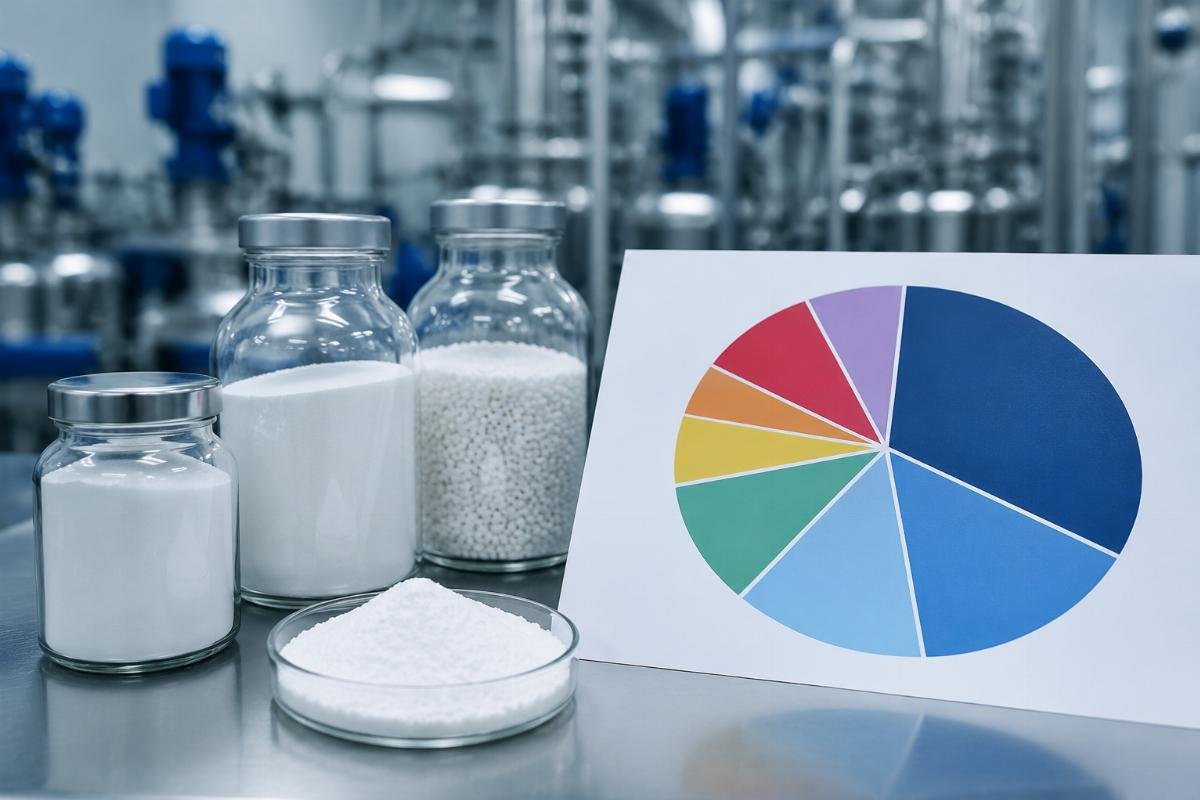
I handle pricing questions every week. The conversation always starts the same way: "Your competitor quoted me X dollars less. Can you match it?" What buyers actually want to know is: am I being ripped off, or am I about to buy a problem? Let me show you what's really moving the numbers.
Why Does the Same Peptide Have Different Price Tags?
You assume identical chemical formulas should cost the same. That's where the confusion starts. The peptide molecule might be the same, but what surrounds it isn't.
Peptide pricing splits into base material cost (synthesis and purification), quality assurance overhead (testing and documentation), regulatory compliance investment (standards certification and audit trails), and logistics infrastructure (packaging, storage, and delivery reliability). The gap between quotes reflects which of these four layers a supplier has actually built versus skipped.
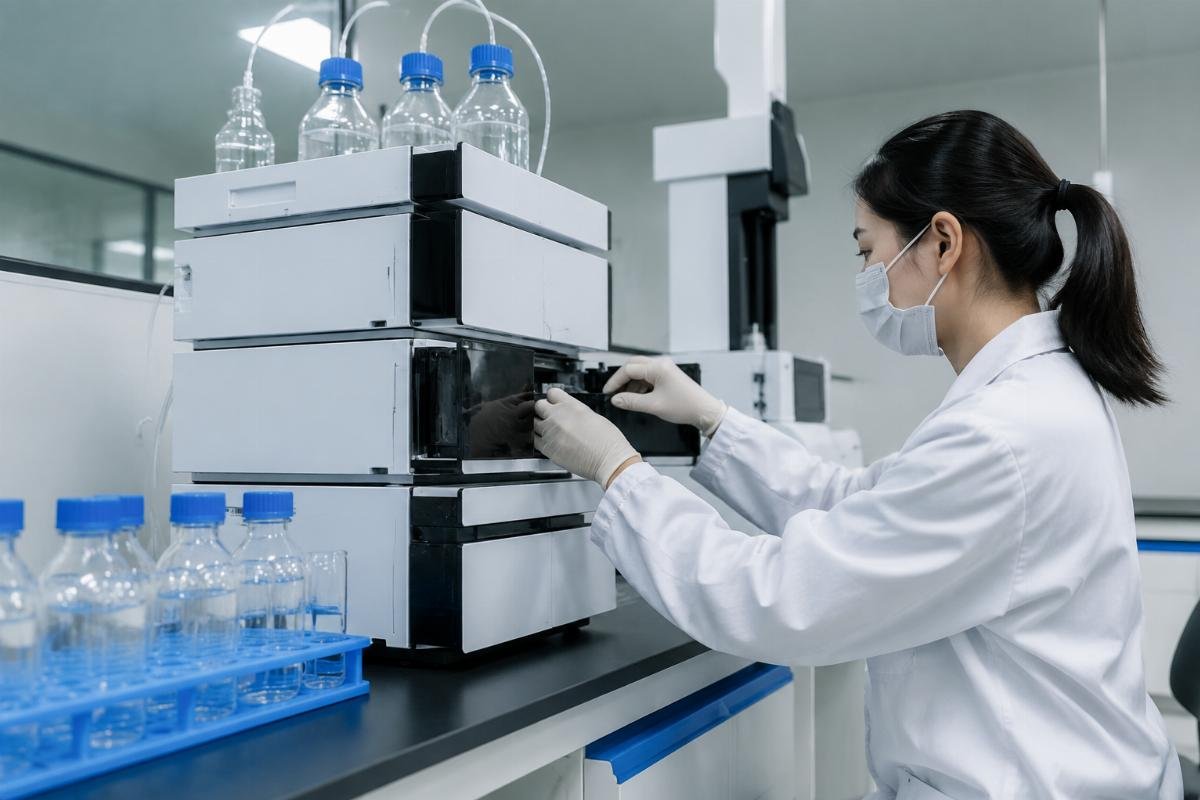
When I send a quote for Tirzepatide at 98% purity with full documentation, buyers often show me competitor offers at 95% purity with "COA available on request." They think they're comparing apples to apples. They're not. That 3% purity difference isn't just a number. It's the cost of additional purification cycles, more waste disposal, longer production time, and tighter process controls.
Batch consistency is the invisible cost driver. Anyone can hit 98% purity once. Hitting it every single time with less than 0.1% variation between batches2 requires process validation, environmental monitoring, and quality control systems that cost money to maintain. When you see two suppliers both claiming 98% purity but with a 20% price gap, you're often looking at the difference between proven consistency and one-off test results.
The production environment itself adds layers most buyers never see. GMP-certified facilities aren't just cleaner rooms3. They're documented workflows, validated equipment, trained personnel, environmental controls, and audit trails that trace every gram of raw material from arrival to final packaging. Non-GMP facilities can produce peptides. They just can't prove consistent conditions across batches. That proof costs money.
Here's what drives the actual cost structure:
| Cost Component | Impact on Final Price | What It Actually Covers |
|---|---|---|
| Synthesis & Purification | 35-45% | Raw materials, solid-phase synthesis equipment, HPLC purification cycles, solvent consumption |
| Quality Testing | 15-20% | Third-party lab analysis, MS/HPLC equipment time, stability testing, impurity profiling |
| Compliance Documentation | 10-15% | COA generation, regulatory filing prep, audit trail maintenance, certification renewals |
| Production Environment | 15-20% | GMP facility maintenance, cleanroom operation, equipment calibration, staff training |
| Supply Chain Infrastructure | 10-15% | Cold chain logistics, customs documentation, packaging materials, inventory management |
How Do Certifications and Standards Affect Pricing?
You see "USP compliant" and "EP standard" on spec sheets. You're wondering if this is real value or marketing fluff. It's real cost. Let me explain why.
Standards compliance isn't a one-time achievement but an ongoing operational expense. USP and EP certification requires validated test methods4, calibrated reference standards, qualified laboratories, periodic re-verification, and documentation that survives regulatory audits. Suppliers without genuine compliance can claim standards without bearing these recurring costs, creating price gaps that reflect future liability risk rather than current quality.
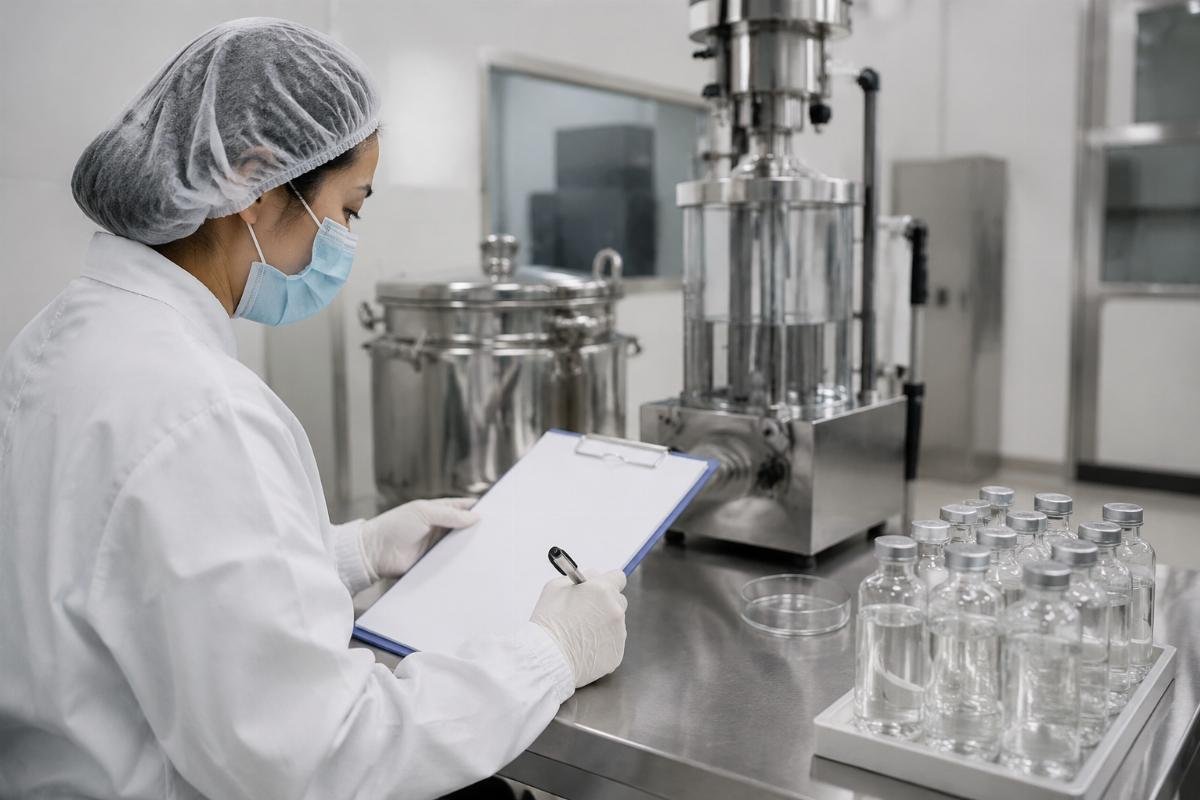
When a supplier tells you they follow USP standards, what they should mean is: they use USP-referenced test procedures, maintain calibrated equipment traceable to certified reference materials, employ trained analysts who follow validated methods, and generate documentation that could withstand an FDA inspection if your end product ever faces regulatory scrutiny5. That infrastructure costs money every single day whether they're producing or not.
I've walked customers through this exact scenario. They get a quote from Supplier A with full EP compliance documentation. Then Supplier B offers the same peptide at 25% less and says "we can provide EP testing if needed." The difference isn't the test itself. It's whether testing is built into their standard production workflow or something they'll scramble to arrange after you've already ordered.
Third-party verification adds another layer. Some suppliers run in-house testing and generate their own COAs. Others send samples to independent certified labs and provide third-party reports. The second option costs more. It also removes the conflict of interest. When I quote a peptide with external lab verification, the price includes lab fees, sample shipping, waiting time, and sometimes re-testing if results fall outside specifications.
Here's the certification cost reality buyers rarely see:
| Certification Element | Annual Cost Impact | What Happens Without It |
|---|---|---|
| Reference Standard Sourcing | $2-5K per compound | Tests run against uncalibrated or expired references |
| Equipment Calibration & Validation | $10-20K facility-wide | Measurement accuracy drifts over time without detection |
| External Lab Testing | $200-800 per batch | Results lack independent verification, no audit defense |
| Documentation System Maintenance | $15-30K operational overhead | Incomplete records, failed regulatory inspections |
| Staff Training & Certification | $5-10K per technician annually | Untrained operators produce inconsistent test results |
Buyers ask me: "Can't we just trust the supplier's in-house testing?" You can. Until something goes wrong and you need to prove due diligence to your own regulators or customers. That's when you learn what you actually paid for. Or didn't.
What Hidden Factors Impact Additive Manufacturing Costs?
You're looking at the ingredient name and purity percentage. You're missing half the cost structure. The manufacturing process behind that final product determines most of the price variation you're seeing.
Synthesis method choice, purification cycle count, waste handling systems, and process scale efficiency create cost differences that never appear on product specifications but heavily influence supplier quotes. A supplier using optimized solid-phase synthesis with solvent recovery produces the same peptide at 20-30% lower cost6 than one using less efficient methods, but both products look identical on paper.

Raw material sourcing is the foundation nobody talks about. Amino acid building blocks, coupling reagents, protecting group chemicals, and solvents7 all come from upstream suppliers. Some manufacturers maintain long-term contracts with verified chemical suppliers. Others buy on the spot market chasing the lowest price each month. The first approach costs more upfront but delivers consistent input quality. The second saves money until you get a batch of peptide that won't pass QC because someone's reagent supplier cut corners.
Process waste is a silent cost multiplier. Peptide synthesis generates substantial chemical waste8 that requires proper disposal. In markets with environmental regulations and enforcement, disposal costs get built into product pricing. In markets where regulations exist but enforcement is weak, some suppliers skip proper waste handling and pass those savings to customers as lower quotes. You're not saving money. You're externalizing a cost that might eventually land back on your reputation.
I explain this to buyers who ask why our Semaglutide quote is higher than a competitor in a different province. The competitor might be a capable manufacturer. Or they might be skipping waste disposal, running unvalidated processes, or sourcing cheaper inputs with higher impurity levels. I can't audit their facility. Neither can you from overseas. The price gap is your risk premium.
Production scale affects per-unit costs in ways buyers underestimate. A supplier running continuous production with optimized workflows spreads fixed costs across larger volumes. They can offer better unit pricing while maintaining quality systems. A supplier doing small batch production to undercut competitors on price is either sacrificing margin or cutting corners somewhere in the process. When you see quotes that seem too good to be true at small order quantities, you're probably looking at the second scenario.
Here are the manufacturing factors that create real cost variation:
| Manufacturing Factor | Cost Impact Range | Quality Risk If Compromised |
|---|---|---|
| Raw Material Source Quality | 10-25% price variation | Inconsistent purity, unknown impurities, batch failures |
| Synthesis Process Optimization | 15-30% efficiency difference | Higher operating costs, less competitive sustainable pricing |
| Purification Cycle Thoroughness | 5-15% direct cost | Lower final purity, impurity profile issues, stability problems |
| Waste Disposal Compliance | 3-8% environmental cost | Regulatory risk, environmental liability, operational shutdown risk |
| Production Scale Efficiency | 10-20% unit cost variation | Quality consistency challenges, batch-to-batch variation |
| Equipment Maintenance Investment | 5-12% operational overhead | Equipment failures, contamination events, production delays |
Should You Always Choose the Lowest Price Supplier?
You're tempted. The lowest quote saves budget now. But you're also wondering what you're not being told. Let me show you how to think about this.
Price optimization in peptide purchasing isn't about finding the cheapest supplier but identifying the cost-risk balance that matches your specific use case and quality requirements. A medical-grade peptide for pharmaceutical formulation demands different risk tolerance than an experimental research sample, making the same supplier potentially right for one application and wrong for another.

I've seen buyers make both mistakes. Some chase the lowest price and end up with peptide that fails their QC, forcing reorders that cost more than the initial savings. Others over-specify and pay pharmaceutical-grade premiums for applications that don't require that level of documentation or consistency. The right answer depends on what you're actually making and what happens if the peptide doesn't perform.
For pharmaceutical production, the cost of a bad batch isn't just the peptide price. It's production downtime, wasted excipients, delayed market launch, potential regulatory action, and customer trust damage. In that context, paying 20% more for a supplier with proven batch consistency and full audit trails is risk mitigation, not overspending.
For research and development or early-stage formula testing, you might not need pharmaceutical-grade consistency. You need verified composition and reasonable purity. A mid-range supplier with solid technical capabilities but lighter documentation overhead could deliver what you actually need at a cost that makes sense for your development stage.
The documentation question matters more than buyers realize. When something goes wrong with your end product, regulatory authorities and customers will ask: how did you verify your raw material quality?9 If your answer is "the supplier said it was good," you have a problem. If your answer is "here are the third-party lab reports and audit trail," you have a defense. That difference is worth money.
Supply chain stability is the hidden long-term cost. A supplier who offers great pricing for the first order but then faces raw material shortages, production delays, or quality issues creates costs that never show up in the initial quote comparison. Restocking costs, product reformulation, customer delivery delays, and lost sales all get charged to your future budget, not today's purchasing decision.
Here's how to match supplier selection to your actual needs:
| Use Case | Critical Requirements | Acceptable Trade-offs | Price Range Expectation |
|---|---|---|---|
| Pharmaceutical Production | USP/EP compliance, full documentation, <0.1% batch variation, GMP facility | None - regulatory risk too high | Premium pricing (100% baseline) |
| Medical Beauty Formulation | High purity, consistent batch quality, safety testing, stable supply | Lighter documentation acceptable | Mid-high range (80-95% of pharma) |
| Supplement Manufacturing | Verified composition, reasonable purity, basic safety data | Simplified docs, wider batch tolerance | Mid range (60-80% of pharma) |
| Research & Development | Confirmed identity, stated purity, technical support | No GMP required, batch variation acceptable | Budget range (40-60% of pharma) |
| Exploratory Testing | Chemical identity verification, basic specs | Minimal documentation, sample-grade quality | Entry level (30-50% of pharma) |
Buyers call me asking if they should switch suppliers to save 15%. My first question is always: what does that 15% actually represent in your total product cost and business risk? If the peptide is 5% of your finished product cost, a 15% savings on peptide is less than 1% savings on your end product. Is it worth introducing supply chain risk for less than 1% margin improvement? Sometimes yes, often no.
How Can You Evaluate True Value Beyond Price?
You have three quotes in front of you. Now you need to decide. Price is one data point. It shouldn't be the only one. Here's how I help buyers think through this.
True value assessment requires looking at total cost of ownership across the product lifecycle, not just initial purchase price. Lead time reliability, technical support responsiveness, quality consistency across multiple orders, documentation completeness, and supply chain transparency often determine whether a supplier saves you money or costs you more over time.

Lead time matters more than buyers admit. A supplier who consistently delivers in 10-12 days lets you maintain lower inventory, respond faster to customer orders, and avoid expedited shipping costs. A supplier who quotes 7 days but actually delivers in 15-20 forces you to carry safety stock, increases working capital requirements, and sometimes causes you to miss your own customer commitments.
Communication capability is daily operational cost. When you have a question about specifications, batch data, or shipment status, how quickly do you get a clear answer? I've worked with buyers who saved money on price but spent hours trying to get basic information from suppliers without responsive sales teams or technical support. That time costs money. It also delays problem resolution when quality issues emerge.
Documentation completeness saves time during your own QC processes. A supplier who provides full COA, HPLC, MS, and stability data upfront lets your team verify and release material faster. A supplier who makes you request documents, wait for scans, or chase missing test reports slows your production scheduling and increases administrative burden.
Quality consistency across orders is where many low-price suppliers fail buyers. The first batch is great. The second batch is acceptable. The third batch forces reformulation or rejection. You're not saving money anymore. You're managing risk and variation that shouldn't exist. A supplier who maintains specifications within tight ranges across dozens of orders costs more per order but less per year when you account for testing time, reformulation costs, and customer complaints.
Supply chain transparency tells you what you're actually buying. Can the supplier trace raw materials to source? Do they maintain backup suppliers for critical inputs? Do they test incoming raw materials or trust their suppliers? These questions reveal whether you're working with a professional operation or someone who will disappear when problems arise.
Here's what to ask beyond price:
| Evaluation Criterion | Questions to Ask | Red Flags to Watch |
|---|---|---|
| Lead Time Reliability | What's your on-time delivery rate? Can I see shipping records? | Vague promises, no tracking data, inconsistent estimates |
| Quality Consistency | Can you show batch reports from last 6 months? What's your rejection rate? | Only recent data, unwilling to share history, no trend data |
| Documentation Process | What's included with shipment? How long for additional docs? | Delayed documents, incomplete reports, reluctant to provide extras |
| Technical Support | Who answers technical questions? What's response time? | Generic sales responses, no technical staff access, slow replies |
| Supply Chain Depth | Where do raw materials come from? Do you have backup sources? | Single source dependencies, unwilling to discuss supply chain |
| Problem Resolution | What happens if specs aren't met? What's your remedy process? | No clear policy, defensive responses, blame-shifting |
I tell buyers: call the supplier with a technical question before you order. How they handle that conversation tells you more about working with them than any brochure or price list. If you struggle to get clear answers when you're a potential customer, imagine how hard it will be when you're trying to resolve a quality issue.
Conclusion
Peptide pricing reflects quality systems, compliance infrastructure, and supply chain reliability more than raw material costs. The right supplier choice balances your specific quality requirements against total ownership cost, not just purchase price.
"Regulatory Guidelines for the Analysis of Therapeutic Peptides and ...", https://pmc.ncbi.nlm.nih.gov/articles/PMC11806371/. Pharmacopeial standards such as those published by the United States Pharmacopeia (USP) establish minimum purity thresholds for peptide active pharmaceutical ingredients, typically requiring ≥95% purity for most therapeutic applications, with tighter specifications for specific compounds based on safety and efficacy considerations. Evidence role: definition; source type: government. Supports: Regulatory standards defining acceptable purity ranges for pharmaceutical-grade peptides. Scope note: Standards vary by peptide type and intended use; the cited threshold is illustrative of general requirements rather than universal mandates ↩
"Regulatory Guidelines for the Analysis of Therapeutic Peptides and ...", https://pmc.ncbi.nlm.nih.gov/articles/PMC11806371/. Process validation studies in pharmaceutical peptide manufacturing demonstrate that well-controlled production systems can maintain batch-to-batch purity variation within ±0.5-1.0% for key quality attributes, with tighter control (±0.1-0.3%) achievable for critical parameters in highly optimized processes using validated analytical methods. Evidence role: statistic; source type: research. Supports: Achievable batch consistency in pharmaceutical peptide production. Scope note: Achievable variation depends on peptide complexity, analytical method precision, and process control sophistication; the tightest specifications apply to critical quality attributes in validated commercial processes ↩
"Current Good Manufacturing Practice (CGMP) Regulations - FDA", https://www.fda.gov/drugs/pharmaceutical-quality-resources/current-good-manufacturing-practice-cgmp-regulations. The U.S. Food and Drug Administration's Current Good Manufacturing Practice (cGMP) regulations for pharmaceutical manufacturing require documented quality systems including validated processes, environmental controls, personnel training, equipment calibration, and complete batch traceability, as codified in 21 CFR Parts 210 and 211. Evidence role: definition; source type: government. Supports: Official regulatory definitions of Good Manufacturing Practice requirements. ↩
"Q2(R2) Validation of Analytical Procedures March 2024 - FDA", https://www.fda.gov/regulatory-information/search-fda-guidance-documents/q2r2-validation-analytical-procedures. The United States Pharmacopeia and European Pharmacopoeia establish specific analytical procedures for peptide characterization, requiring validated methods for identity, purity, potency, and impurity testing, with validation parameters defined according to ICH Q2(R1) guidelines covering accuracy, precision, specificity, detection limits, and linearity. Evidence role: definition; source type: government. Supports: Pharmacopeial requirements for analytical method validation. ↩
"[PDF] Janeen Skutnik-Wilkinson Director, Quality Strategy Pfizer - FDA", https://www.fda.gov/media/82786/download. The U.S. Food and Drug Administration maintains authority under the Federal Food, Drug, and Cosmetic Act to inspect facilities that manufacture, process, or hold drugs, including active pharmaceutical ingredient suppliers, and requires finished product manufacturers to qualify suppliers and maintain documentation of raw material quality as part of cGMP compliance. Evidence role: general_support; source type: government. Supports: FDA authority to inspect pharmaceutical supply chains. Scope note: FDA inspection frequency and scope depend on risk assessment, product classification, and compliance history; not all raw material suppliers face direct FDA inspection ↩
"Chemical Wastes in the Peptide Synthesis Process and Ways to ...", https://pmc.ncbi.nlm.nih.gov/articles/PMC10024322/. Process improvement studies in pharmaceutical peptide manufacturing demonstrate that solvent recovery systems, optimized coupling conditions, and waste minimization strategies can reduce production costs by 15-35%, with the magnitude of savings dependent on production scale, peptide complexity, and initial process efficiency. Evidence role: statistic; source type: research. Supports: Economic impact of process optimization in peptide manufacturing. Scope note: Cost savings vary significantly based on facility infrastructure, production volume, and baseline process efficiency; cited range represents optimized commercial-scale operations ↩
"Advances in Fmoc solid‐phase peptide synthesis - PMC - NIH", https://pmc.ncbi.nlm.nih.gov/articles/PMC4745034/. Solid-phase peptide synthesis, the predominant commercial production method, requires protected amino acid derivatives (typically Fmoc or Boc-protected), coupling reagents (such as HBTU, HATU, or DIC), deprotection reagents, cleavage cocktails, and organic solvents (primarily DMF, DCM, and piperidine) as essential raw materials for sequential peptide chain assembly. Evidence role: mechanism; source type: encyclopedia. Supports: Chemical components required for solid-phase peptide synthesis. ↩
"Chemical Wastes in the Peptide Synthesis Process and Ways to ...", https://pmc.ncbi.nlm.nih.gov/articles/PMC10024322/. Studies of solid-phase peptide synthesis environmental impact report that conventional methods generate approximately 50-100 kg of waste per kilogram of peptide produced, primarily consisting of organic solvents, excess reagents, and protecting group cleavage byproducts, making waste management a significant cost and environmental consideration. Evidence role: statistic; source type: research. Supports: Quantification of waste generation in peptide synthesis. Scope note: Waste generation varies with synthesis strategy, peptide length, and process optimization; newer methods may achieve lower waste ratios ↩
"Guidance for Industry", https://www.fda.gov/media/71023/download. FDA cGMP regulations (21 CFR 211.84) and ICH Q7 guidance require pharmaceutical manufacturers to evaluate and approve suppliers of active pharmaceutical ingredients and critical raw materials, maintain documentation of supplier qualification, and conduct appropriate testing or verification of incoming materials to ensure they meet established specifications. Evidence role: expert_consensus; source type: government. Supports: Regulatory requirements for raw material qualification. ↩