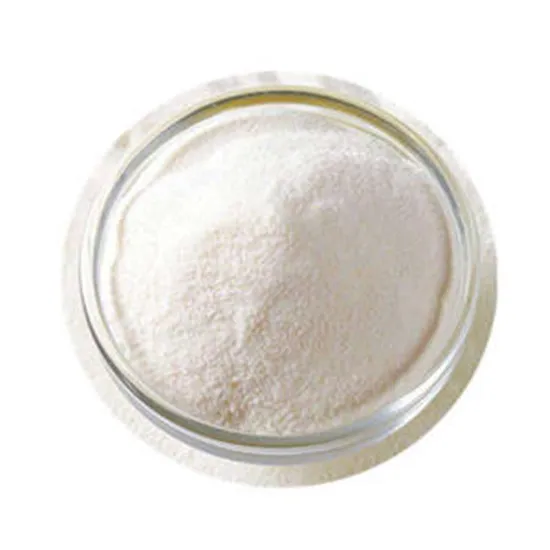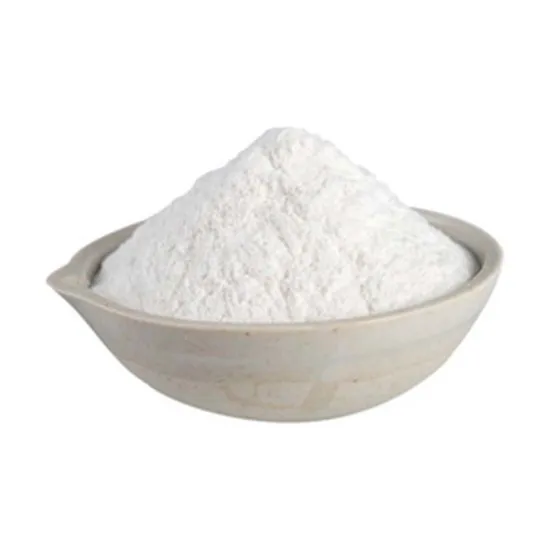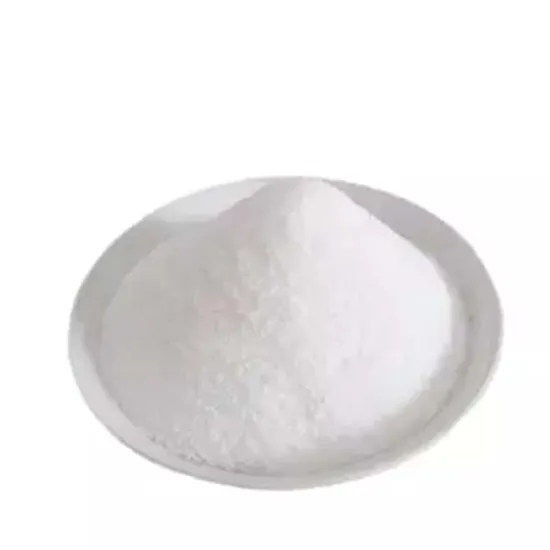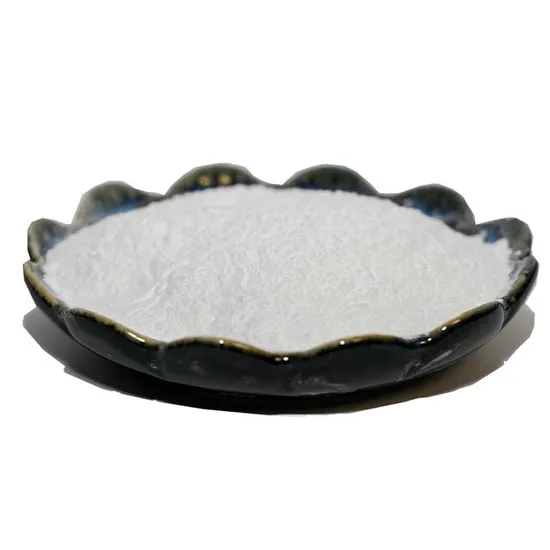
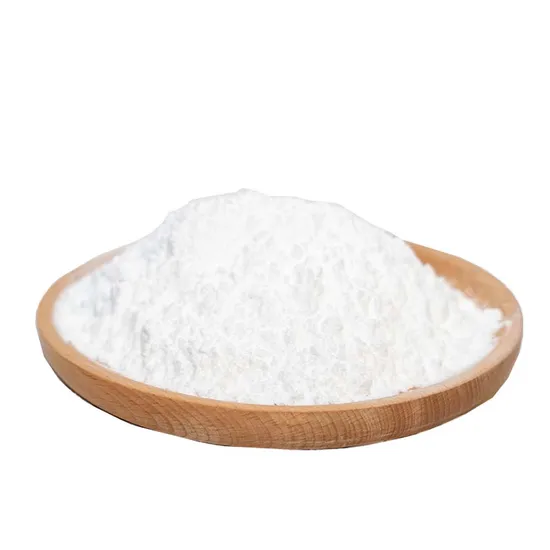
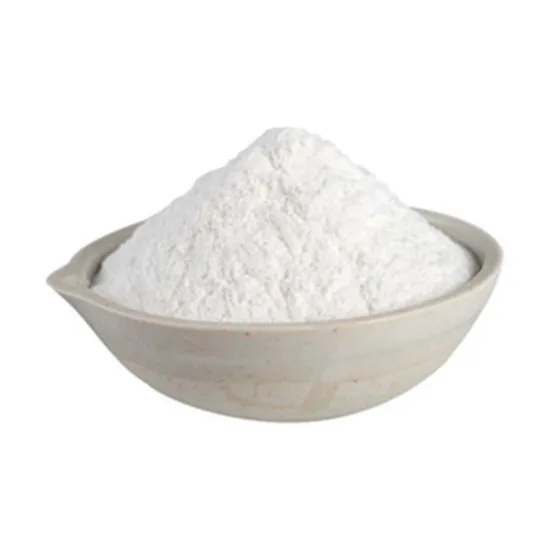

Achieve smoother, more consistent building materials with Methyl 2-Hydroxyethyl Cellulose—the high-performance additive that elevates workability while minimizing dust during mixing. Its low-dust powder form ensures cleaner job sites and precise dosing, addressing common challenges in construction material preparation.
- Enhances viscosity stability for uniform application across ceramic substrates and finish coats
- Spray-dried formulation promotes quick dispersion, reducing batch preparation time
- Available in 1kg bags or 25kg drums, with tailored packaging options to fit your project scale
Description
For industrial manufacturing and laboratory research purposes only.
Product Specifications
| Parameter | Value |
|---|---|
| Model NO. | jm 9032-42-2 |
| Color | White |
| Appearance | Powder |
| Main Raw Material | Acrylic |
| Method | Spray |
| Level | Finish Coat |
| Drying Method | Drying |
| Substrate | Ceramic |
| Components | Film Forming Matter |
| Formation Mechanism | Conversion Type |
| Transport Package | 1kg Bag, 25kg Drum |
| Specification | provide tailored package on request |
| Trademark | Juming |
| Origin | China |
Addressing Construction Material Challenges with Methyl 2-Hydroxyethyl Cellulose (CAS 9032-42-2)
Construction material manufacturers often face critical issues like inconsistent product performance, excessive dust during handling, and unstable supply chains that disrupt production schedules. In our 10+ years serving the building materials industry, we’ve witnessed how substandard cellulose additives can compromise mortar strength, coating uniformity, and overall project quality—costing both time and resources to rectify.
High Consistency Low Dust Cellulose: A Reliable Solution for Building Materials
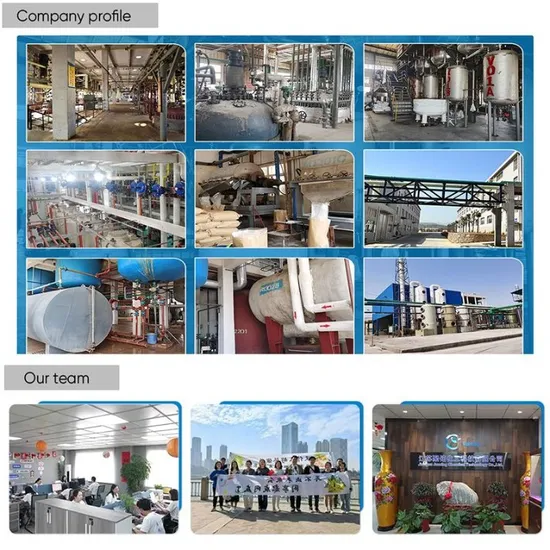
Our Methyl 2-Hydroxyethyl Cellulose is engineered to solve these challenges with its high consistency and low dust formulation, ensuring reliable performance in every batch. As a professional supplier with experience supporting 50+ countries and 10000+ industrial clients, we understand the critical role cellulose additives play in enhancing viscosity, water retention, and workability of construction materials.
Key Applications in Building Materials Industry
Methyl 2-Hydroxyethyl Cellulose serves as a vital Building Materials Cellulose Additive, widely used in tile adhesives, cement-based mortars, gypsum products, and decorative coatings. Its film-forming properties improve adhesion strength and crack resistance, while controlled viscosity ensures optimal application consistency—making it indispensable for modern construction material production.
The Importance of High Consistency and Low Dust in Construction Additives
High consistency in Methyl 2-Hydroxyethyl Cellulose directly translates to predictable material performance: consistent viscosity control prevents batch-to-batch variations in mortar flow, ensuring uniform application across construction sites. Low dust formulation minimizes workplace exposure risks, improves handling efficiency, and reduces material waste during mixing—critical factors for both worker safety and production cost management.
Benefits of Choosing Our High Consistency Low Dust Cellulose
Opting for our Building Cellulose means investing in reliability: consistent quality reduces production rejects, while low dust properties lower cleaning and maintenance costs. Unlike inferior products that may contain impurities affecting setting time or bond strength, our additives undergo rigorous quality control to meet industry standards, ensuring long-term supply stability and cost-effectiveness for your manufacturing process.
Our Commitment to Quality and Reliability
We maintain strict quality control through comprehensive testing protocols, including physical property analysis and performance validation in simulated construction material formulations. Each batch is accompanied by a detailed Certificate of Analysis, and our production capacity ensures stable supply even for large-scale manufacturing needs. Our technical support team is available to assist with formulation optimization, ensuring you get the most out of our Methyl 2-Hydroxyethyl Cellulose for Building applications.
Certificate of Analysis & Documentation
Every shipment includes a batch-specific Certificate of Analysis detailing key parameters such as appearance, particle size distribution, and performance characteristics. Material Safety Data Sheets (MSDS) are provided to ensure safe handling and compliance with local regulations, with additional technical documentation available upon request.
Storage & Handling
- Store in a cool, dry, well-ventilated area, sealed and away from direct sunlight.
- Keep away from incompatible materials, food and feed sources.
- Handle with appropriate personal protective equipment (gloves, goggles, lab coat).
- Follow good industrial hygiene practices. Avoid inhalation and skin contact.
- Refer to MSDS for detailed storage and safety instructions.
Streamlined Ordering Process for Your Construction Additive Needs
To ensure a smooth procurement experience, simply contact our sales team with your specific requirements—including desired packaging size and technical specifications. We provide product samples for evaluation, followed by flexible bulk ordering options tailored to your production schedule, with all necessary documentation delivered alongside your shipment.
Frequently Asked Questions
Q: What is the shelf life of Methyl 2-Hydroxyethyl Cellulose?
A: When stored properly in sealed containers under recommended conditions, the product maintains stability for 24 months from the date of manufacture.
Q: Can this product be used in food or pharmaceutical applications?
A: No, this product is strictly for industrial and laboratory research use only, not for direct human consumption or therapeutic applications.
Q: What documentation is provided with each order?
A: Each shipment includes a Certificate of Analysis (COA) and Material Safety Data Sheet (MSDS) specific to the batch.
Q: Do you offer custom packaging options?
A: Yes, tailored packaging solutions are available upon request to meet specific handling or storage requirements.
Q: How is the consistency of the product ensured across batches?
A: Our manufacturing process includes strict in-process controls and post-production testing to maintain consistent physical and performance properties between batches.
Related products
-
Hydroxypropyl Methyl Cellulose HPMC 99% Powder Thickener Adhesive Mortar Additive 25kg
Read more -
Industrial Grade Methyl Hydroxyethyl Cellulose for Construction Adhesive 9032-42-2
Read more -
Methyl 2-Hydroxyethyl Cellulose 98% for Tile Adhesive Water Retention 20kg Bags
Read more -
High Viscosity Polyanionic Cellulose PAC 9004-32-4 25kg Bags for Oilfield Fluid Loss Control
Read more